Table of Contents

  1. Wiring and Circuit Design for Solar Systems
  2. Inverters: Converting DC to AC Power
  3. Electrical Load Analysis
  4. Safety Considerations During Installation
  5. Code Compliance and Permits
  6. Conclusion

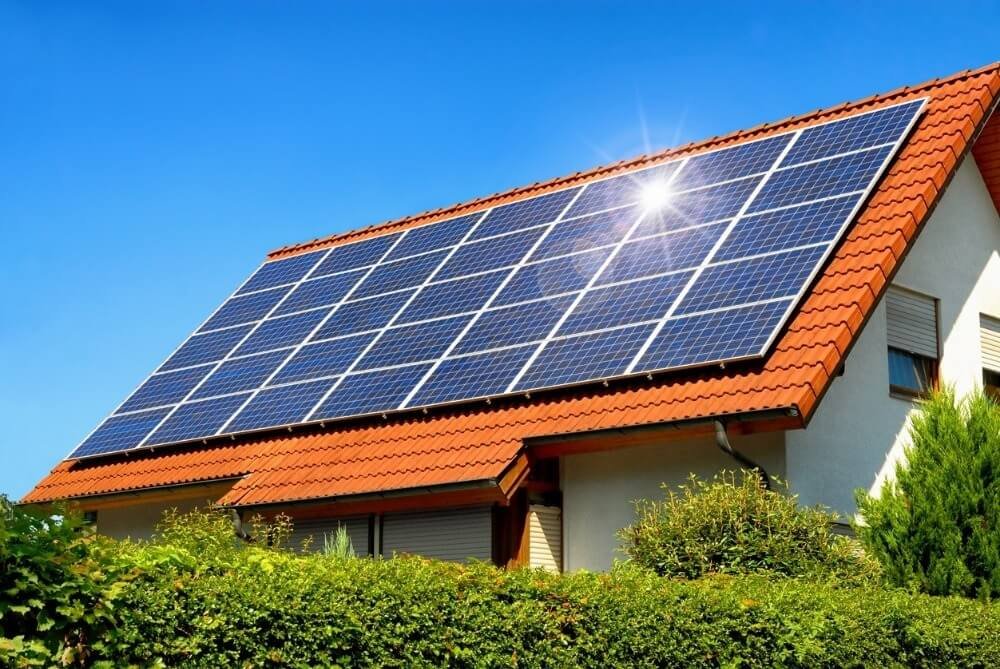
When most people think of solar installations, the first image that comes to mind is a rooftop lined with solar panels soaking up sunlight. However, solar energy systems are more complex than that. Electrical services play a vital role in ensuring that the solar power generated by your panels can be safely and efficiently used in your home or business. This article will break down the electrical components involved in solar installations, offering insights into how they work and why they are critical to the overall system.

Solar Panel
Upgrade Transformer

1. Wiring and Circuit Design for Solar Systems

The Backbone of Solar Installations
At the heart of every solar energy system is its electrical wiring and circuit design. Once the solar panels capture sunlight and convert it into electricity, that energy needs to be safely transferred from the panels to your home’s electrical system. This is achieved through a network of wires, conduits, and electrical components designed to handle the electricity your solar panels produce.

DC Wiring from the Panels
Solar panels generate direct current (DC) electricity. This means that specialized wiring is required to carry that electricity to an inverter, which converts it to the alternating current (AC) used in your home. High-quality wiring ensures minimal energy loss and provides safety and durability for the system.

AC Circuitry to Your Home’s Electrical Panel
Once the electricity is converted to AC by the inverter, it needs to be routed through your home’s electrical panel. This requires well-designed AC circuitry, ensuring that the electricity is distributed efficiently and safely across all circuits within the home.

2. Inverters: Converting DC to AC Power

The Role of Inverters in Solar Systems
One of the most crucial components in any solar installation is the inverter. Since solar panels produce DC electricity and most household appliances run on AC electricity, the inverter is responsible for making that conversion. There are two main types of inverters used in solar systems:

  • String Inverters: Common in residential solar installations, string inverters convert the DC electricity from multiple panels into AC power.
  • Microinverters: These are attached to individual panels, converting DC to AC directly at the panel level, often providing higher efficiency and improved performance monitoring.

Smart Inverters for Modern Solar Systems
In recent years, smart inverters have become more popular due to their ability to communicate with the grid and optimize energy production. They also help stabilize the grid by managing voltage and frequency fluctuations, an important feature as more renewable energy systems come online.

3. Electrical Load Analysis

Understanding Your Home’s Electrical Needs
Before a solar installation, it’s crucial to conduct a thorough electrical load analysis. This helps determine how much electricity your home consumes on a daily, monthly, and yearly basis. A well-calculated load analysis ensures that your solar system is sized appropriately, meaning it can generate enough energy to meet your needs without overproducing.

Matching Solar Output to Consumption
The load analysis also helps balance solar output with consumption patterns. This is particularly important for homes that want to maximize self-consumption of solar energy and reduce reliance on the grid. For example, homes with higher daytime energy usage might benefit more from solar systems, especially when combined with battery storage solutions.

4. Safety Considerations During Installation

The Importance of Safety in Solar Electrical Work
Electrical safety is paramount during solar installations. This involves everything from proper grounding of the solar panels to ensuring that the system is protected against surges and short circuits. A poorly installed system can lead to serious risks, including electrical fires or damage to home appliances.

Proper Grounding and Surge Protection
Proper grounding of the solar array is one of the first steps in ensuring safety. This means connecting the system to the earth to prevent electric shock in case of a fault. Surge protection is also necessary to protect both the solar system and the home’s electrical devices from sudden spikes in voltage, such as those caused by lightning strikes.

Disconnect Switches and Rapid Shutdown Devices
To enhance safety, modern solar installations often include disconnect switches and rapid shutdown devices. These are used to de-energize the system quickly in case of an emergency, ensuring that first responders or electricians can work safely around the system.

5. Code Compliance and Permits

Navigating Regulations for Solar Installations
Electrical work for solar installations must comply with national and local electrical codes. In the U.S., this typically means adhering to the National Electrical Code (NEC), which sets standards for electrical safety. These codes ensure that solar systems are designed and installed in a manner that minimizes risks to people and property.

Permit Requirements for Solar Systems
Most jurisdictions require permits before installing a solar energy system. These permits ensure that the installation will meet local building codes and safety standards. The permit process often includes inspections by the local authority to verify compliance with electrical and structural standards.

Working with Certified Installers
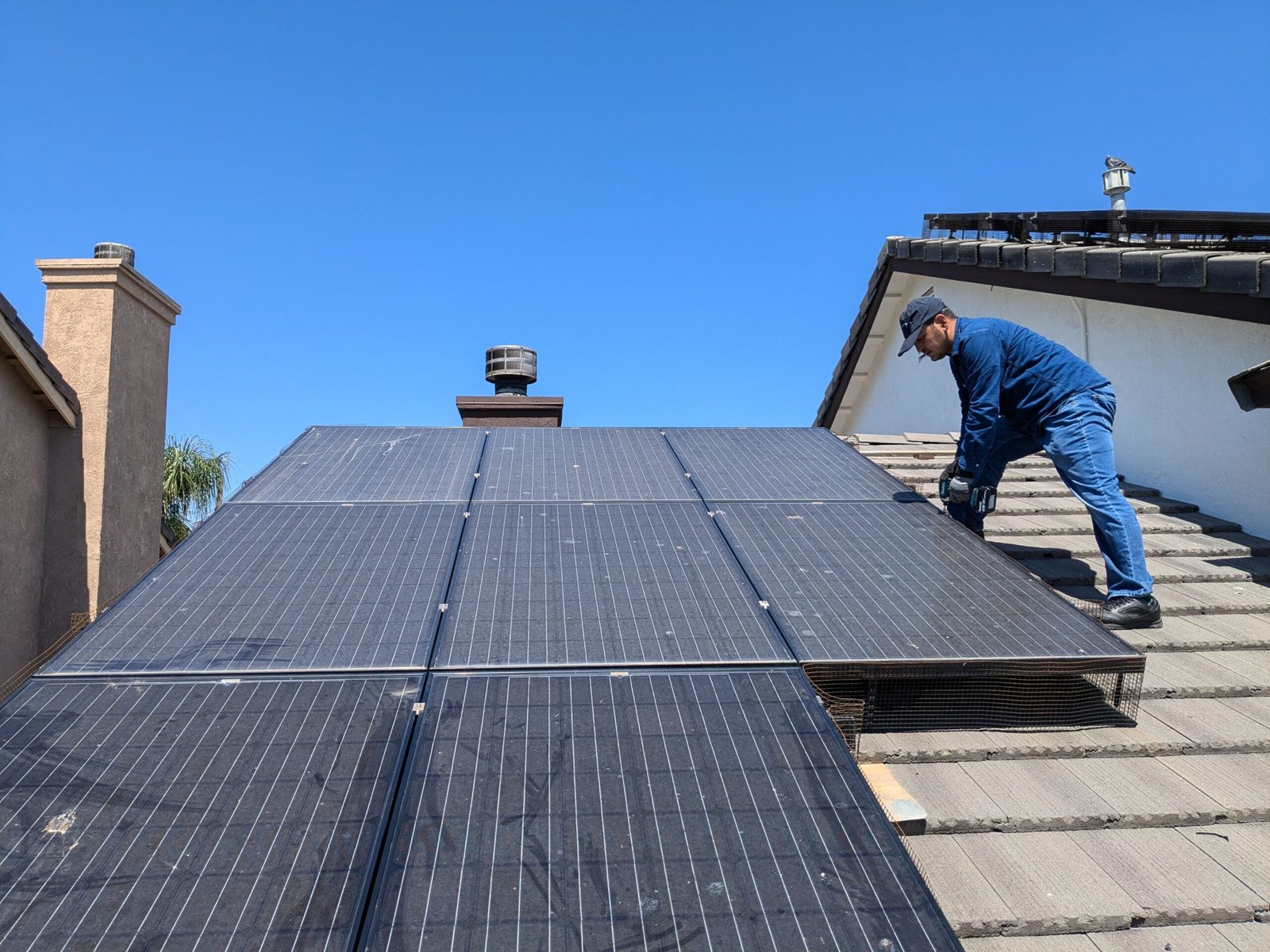
Certified solar installers, like those at CalPacific Power Inc., are well-versed in the permit process and will ensure that your system meets all regulatory requirements. This includes coordinating with local authorities to schedule inspections and ensuring that all paperwork is properly filed.

Conclusion

The electrical services involved in solar installations are just as important as the solar panels themselves. From wiring and circuit design to inverters and safety protocols, a well-installed solar system requires expert electrical work. At CalPacific Power Inc., we understand the complexities of solar electrical services and ensure that every installation is done to the highest standards, ensuring efficiency, safety, and compliance with all local and national codes. Whether you’re in San Jose, California, or anywhere else, trust CalPacific Power Inc. for expert installations that prioritize safety and performance while helping you transition to a more sustainable future.
Introduction

Switching to solar energy is not just a trend; it’s a smart, sustainable choice for homeowners looking to reduce their carbon footprint and save on energy costs. By harnessing the power of the sun, a solar system converts sunlight into electricity, offering an environmentally friendly alternative to fossil fuels. If you’re considering installing a solar system in your home, understanding the basic requirements is crucial for a successful transition.

Understanding Solar Energy

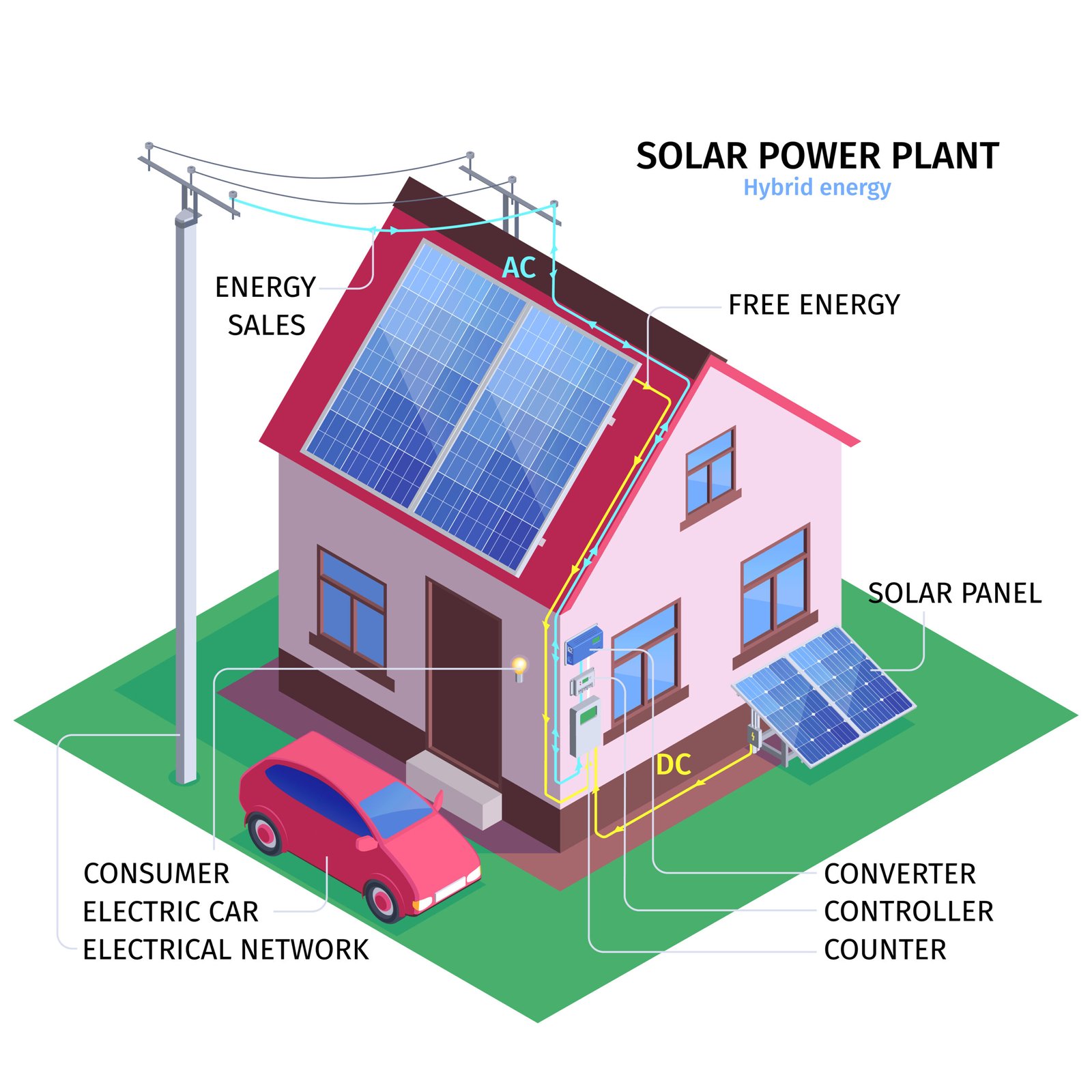
Solar energy is a renewable energy source derived from the sun’s radiation. Solar panels, composed of photovoltaic (PV) cells, capture sunlight and convert it into direct current (DC) electricity. This DC electricity is then converted into alternating current (AC) by an inverter, making it usable for household appliances and systems.

Benefits of Installing a Solar System

The benefits of installing a solar system are manifold:

  • Environmental Benefits: Solar energy reduces greenhouse gas emissions, decreases air pollution, and lessens reliance on non-renewable resources.
  • Financial Savings: After the initial installation cost, solar systems can significantly reduce or even eliminate electricity bills. Over time, the system pays for itself.
  • Energy Independence: With solar power, homeowners can produce their own electricity, reducing dependence on the grid and protecting against energy price increases.

Assessing Your Home’s Solar Potential

Before installing a solar system, evaluate your home’s suitability:

  • Roof Condition and Space: Ensure your roof is in good condition and has enough space to accommodate solar panels. Panels typically last 25-30 years, so a sturdy roof is essential.
  • Sun Exposure and Shading: Analyze the amount of sunlight your roof receives daily. Trees, buildings, and other structures can cast shadows, reducing panel efficiency.
  • Local Climate Considerations: While solar panels work in various climates, areas with higher sun exposure will generate more electricity.

Types of Solar Systems

  • Grid-Tied Systems: Connected to the local utility grid, these systems allow you to draw power from the grid when solar production is low and send excess power back, often earning credits.
  • Off-Grid Systems: Independent of the grid, these systems rely on battery storage to supply power, ideal for remote areas without grid access.
  • Hybrid Systems: Combine grid-tied and off-grid features, providing the flexibility of grid power and battery backup.

Components of a Solar Power System

A typical solar power system includes:

  • Solar Panels: Capture sunlight and convert it to electricity.
  • Inverter: Converts DC electricity to AC.
  • Mounting System: Secures panels to the roof.
  • Battery Storage: Stores excess power for use when solar production is low.
  • Monitoring System: Tracks system performance and energy production.

Choosing the Right Solar Panels

When selecting solar panels, consider:

  • Monocrystalline vs. Polycrystalline Panels: Monocrystalline panels are more efficient and space-efficient, while polycrystalline panels are typically less expensive.
  • Efficiency Ratings: Higher efficiency panels produce more electricity but may come at a higher cost.
  • Warranty and Durability: Look for panels with long warranties and proven durability to ensure long-term performance.

Inverter Options and Importance

Inverters are crucial for converting DC to AC electricity. Options include:

  • String Inverters: Cost-effective and suitable for homes with minimal shading.
  • Microinverters: Offer higher efficiency and performance, especially for roofs with shading issues.
  • Power Optimizers: Enhance the performance of string inverters by optimizing the output of individual panels.

Understanding Battery Storage

Battery storage adds flexibility and reliability:

  • Benefits of Battery Storage: Provides backup power during outages and maximizes the use of solar energy.
  • Types of Batteries: Lithium-ion batteries are more efficient and have a longer lifespan than lead-acid batteries.
  • Capacity and Lifespan: Consider the battery’s capacity (measured in kilowatt-hours) and expected lifespan when making a choice.

Installation Process

A seamless installation process involves:

  • Selecting a Certified Installer: Choose a reputable installer with certifications and positive reviews.
  • Permits and Regulations: Obtain necessary permits and comply with local regulations.
  • Installation Timeline: The process typically takes a few weeks, from planning to completion.

Cost Considerations

Understanding the financial aspects is key:

  • Initial Investment: Includes the cost of panels, inverters, batteries, and installation.
  • Incentives and Rebates: Look for federal, state, and local incentives that can reduce upfront costs.
  • Return on Investment (ROI): Calculate long-term savings to determine the ROI of your solar system.

Maintenance and Monitoring

Keeping your system in top shape involves:

  • Routine Maintenance Tips: Regularly clean panels and inspect for damage.
  • Monitoring System Performance: Use monitoring systems to track energy production and identify issues.
  • Troubleshooting Common Issues: Address problems promptly to maintain efficiency.

Safety Considerations

Ensure safety during and after installation:

  • Electrical Safety: Proper wiring and connections prevent electrical hazards.
  • Structural Integrity: Ensure your roof can support the weight of the panels.
  • Fire Safety: Use certified equipment and follow installation guidelines to minimize fire risk.

Conclusion

Installing a solar system for your home is a rewarding investment that offers significant environmental and financial benefits. By understanding the basic requirements and carefully planning each step, you can enjoy the advantages of clean, renewable energy for years to come.

FAQs

How long does a solar panel system last?
Solar panel systems typically last 25-30 years, with proper maintenance extending their lifespan.

What happens during a power outage?
Grid-tied systems will shut down during a power outage for safety reasons, but systems with battery storage can continue to supply power.

Can I install a solar system myself?
While DIY installation is possible, it’s recommended to hire a certified installer to ensure safety and compliance with local regulations.

How much can I save with solar panels?
Savings vary based on location, energy usage, and system size, but many homeowners see significant reductions in their electricity bills.

Is my home suitable for solar panels?
Evaluate your roof’s condition, sun exposure, and local climate to determine if your home is suitable for solar panels. A professional assessment can provide detailed insights.

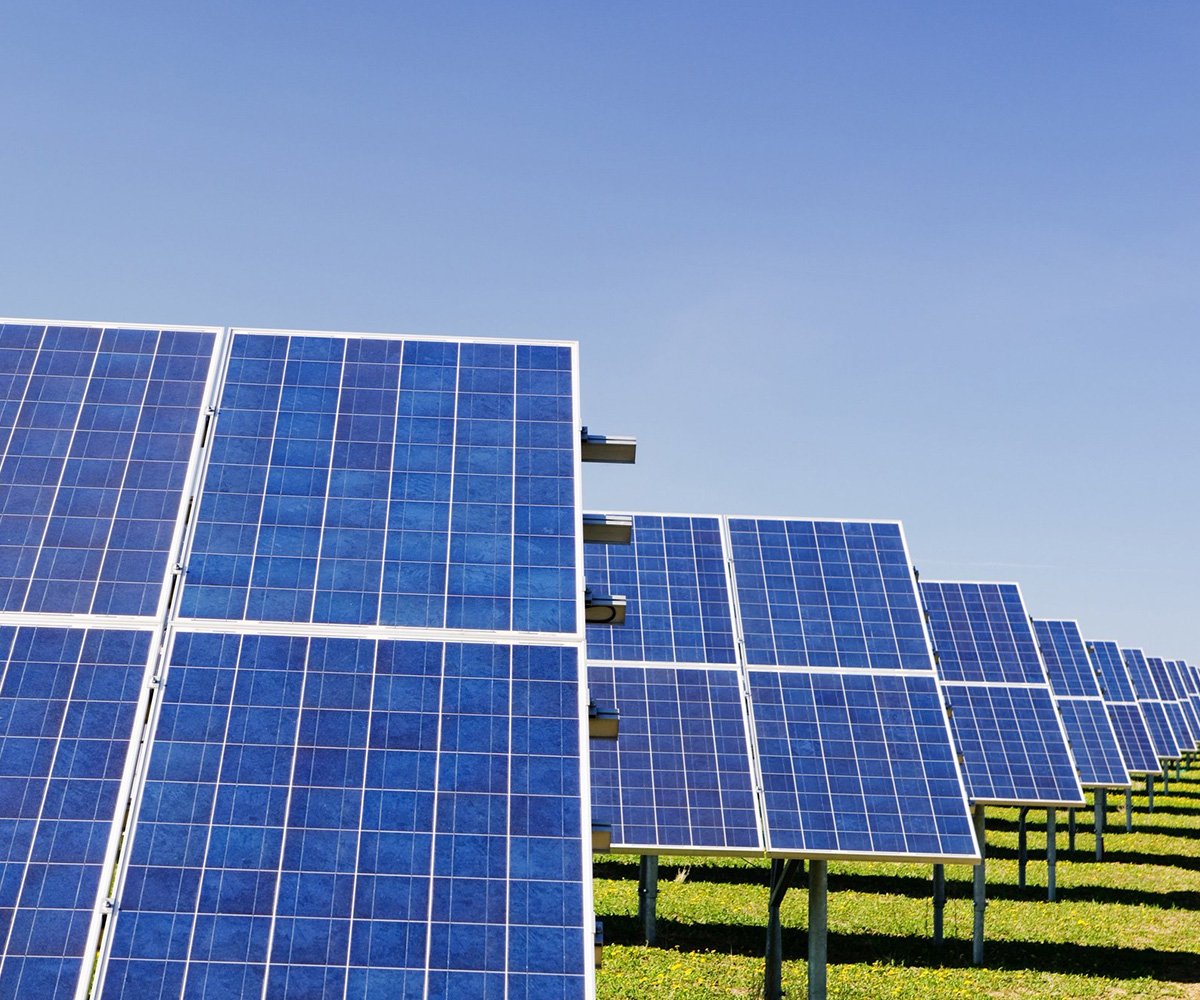
Solar farms are large-scale installations that generate electricity from sunlight, offering a renewable and eco-friendly alternative to fossil fuels. There are two primary types: Photovoltaic (PV) farms, which use solar panels to convert sunlight directly into electricity, and Concentrated Solar Power (CSP) farms, which use mirrors to focus sunlight and produce thermal energy to drive turbines.

The history of solar energy started with small applications, evolving into today’s extensive solar farms that power entire communities. These farms work by utilizing advanced solar technologies and energy storage solutions to provide a stable power supply.

Solar farms offer numerous benefits, including reducing greenhouse gas emissions, creating jobs, and providing long-term energy cost savings. However, they also face challenges such as land use requirements, high initial investment costs, and efficiency issues due to weather conditions.

Ideal locations for solar farms are areas with high sunlight and low land costs, such as deserts. Technological advancements are improving solar panel efficiency and energy storage, making solar farms more viable.

Governments support solar farms through subsidies and tax incentives, recognizing their importance in sustainable energy strategies. The economic impact includes job creation and cost savings for communities, while the environmental impact includes reduced carbon emissions and conservation of natural resources.

The future of solar farms looks promising with ongoing advancements and decreasing costs. They play a crucial role in the shift towards renewable energy, complementing other sources like wind, hydropower, and geothermal energy.

Community involvement is vital for the success of solar farms, from investment and participation to educational initiatives that promote solar energy benefits. As solar technology continues to advance, solar farms will become increasingly important in achieving a sustainable energy future.

Call Us (408)-610-2030